







Search Results for: consumer attitudes
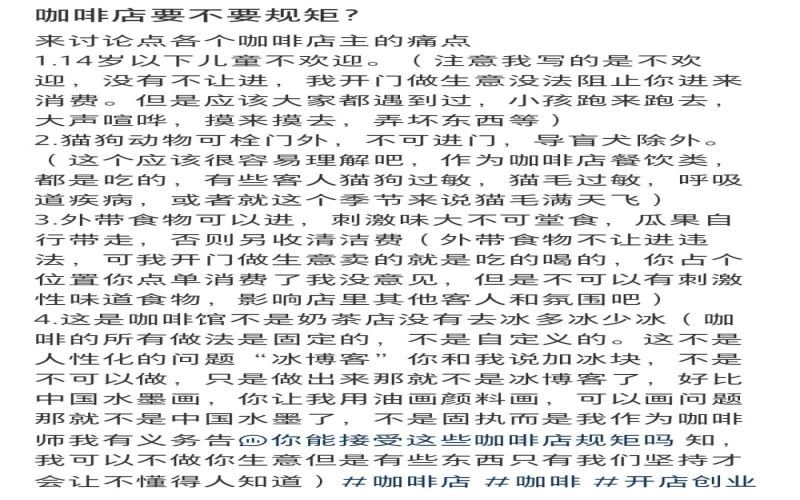
The more rules an independent coffee shop has, the less customers buy it? 287 people vote to reveal real attitudes
The biggest difference between independent coffee shops and chain brands is that every owner can create a unique business style according to their own philosophy, which has given rise to all kinds of shop rules. Not long ago, a blogger on Xiaohongshu posted a discussion on "whether coffee shops should set rules," listing four specific regulations and launching a poll that attracted 287 participants. The results showed that 73% of netizens said they could accept them, while 27% clearly rejected them. In the comments section, voices of agreement, confusion, and neutrality interwove, reflecting consumers' complex attitudes toward coffee shop rules. Are rules a necessary means of maintaining the experience, or a threshold that pushes customers away? This article will explore the issue from the perspectives of both businesses and customers, and, combined with Front Street Coffee's product recommendations, discuss how coffee shops can find a balance between rules and service. [more…]
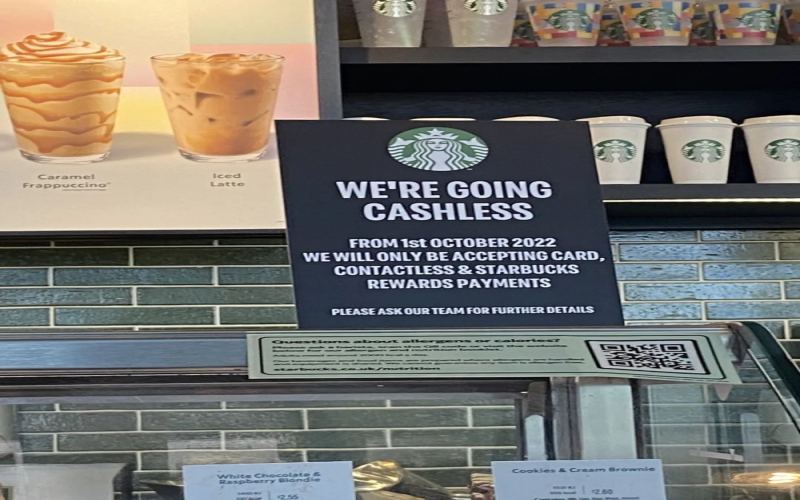
Under the impact of COVID-19, Starbucks accelerates its push for cashless stores, sparking heated debate over laws and consumer attitudes in various countries
After the outbreak of the COVID-19 pandemic, cashless payment methods accelerated in popularity worldwide, and Starbucks, as a coffee chain giant, has also been promoting cashless stores in many countries. From the UK to South Korea and Japan, Starbucks' cashless attempts have triggered polarized reactions among consumers. Some praise electronic payments for being convenient and safe, while others worry about the legality and inclusiveness of refusing cash. At the same time, laws on refusing cash vary from country to country, and China explicitly prohibits merchants from refusing RMB cash. This article will review the progress of Starbucks' cashless stores, consumer attitudes, and related legal disputes, while retaining the relevant recommendation information for Front Street Coffee. [more…]
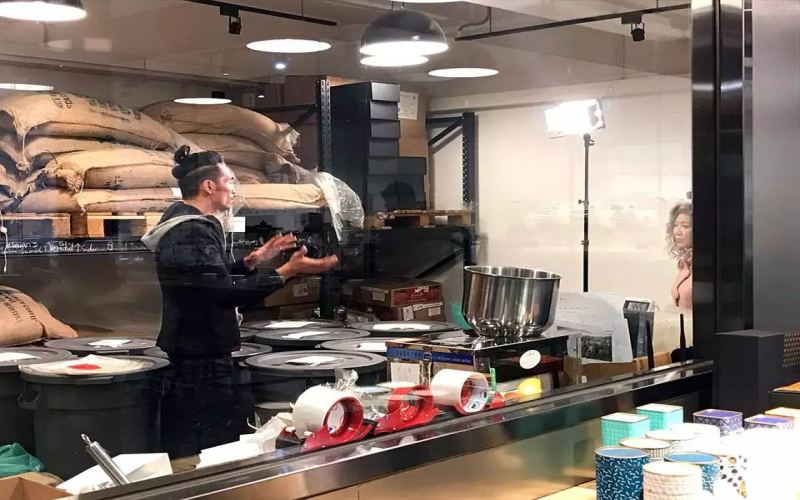
Moses Chan Takes Up the Coffee Hosting Reins Again: From "Coffee Confidential" to "Moses Chan's Coffee Tour" — The Road to Specialty Coffee
TVB renowned actor Moses Chan is known as a "coffee fanatic." After hosting the "Taste Coffee" series in 2009 and 2012, this year he has once again teamed up with Benjamin Yuen to launch a brand-new coffee-themed program, "Coffee Tour." From visiting production origins such as Italy and Jamaica to introduce coffee culture, to founding his own coffee brand, and now in his new program discussing specialty coffee with industry practitioners and consumers, Moses Chan has witnessed and taken part in the popularization and development of specialty coffee over more than a decade. This article will take you through the evolution of these three programs, allowing you to feel Moses Chan's unwavering passion and professional attitude toward coffee, as well as his persistence in ensuring that good coffee should be accessible to the general public. [more…]
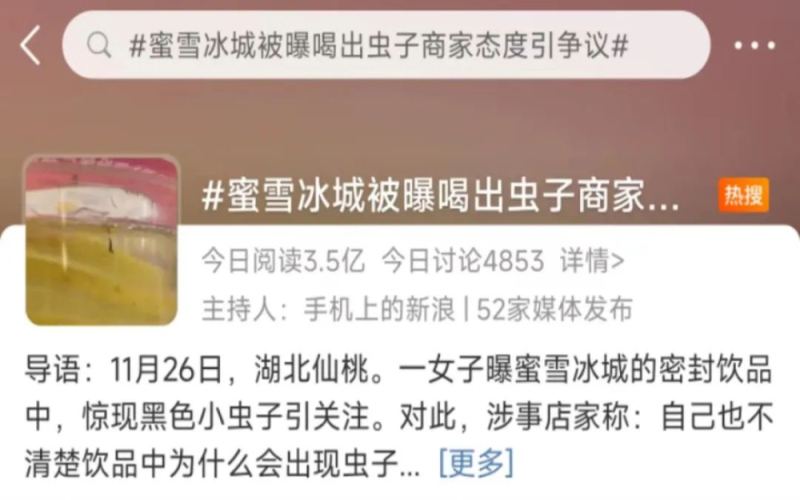
Unopened Mixue Lemonade Found with Black Foreign Object, Store Response Sparks Public Outcry
For professional coffee knowledge exchange and more coffee bean information, please follow Coffee Workshop (WeChat public account cafe_style) For more specialty coffee beans, please add the private WeChat of Front Street Coffee (FrontStreet Coffee), WeChat ID: qjcoffeex Mixue Bingcheng has once again been thrust into the spotlight. A consumer in Xiantao, Hubei, found a small black bug in an unopened lemonade, yet the response from the store was jaw-dropping. As the champion in store count in the new tea beverage industry, why do food safety issues keep recurring for Mixue Bingcheng even as it sprinted toward an IPO? This article will sort through the course of the incident, netizen reactions, and the brand's frequent food safety scandals this year, and explore the bottom line issues of service and quality control in the catering industry. [more…]
How do local chain brands lower coffee prices? Are cheap beans really a quality concern?
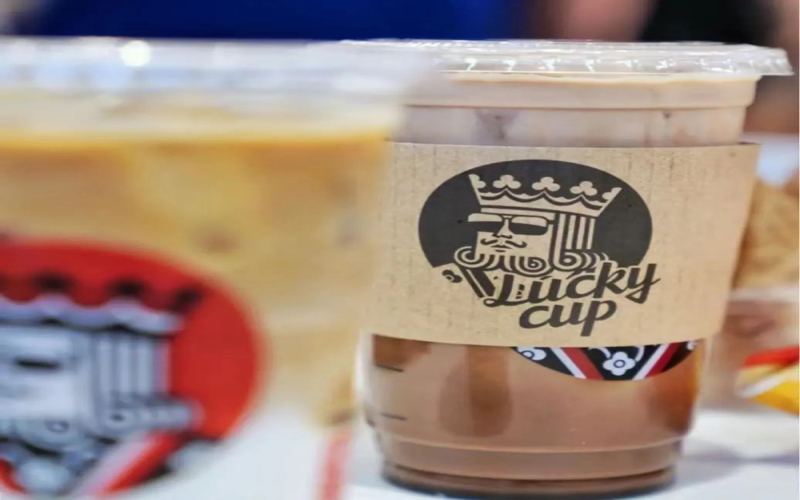
Many people habitually assume that coffee should be expensive, and that cheap coffee must have something wrong with it. But the emergence of domestic Chinese coffee chains has shattered this belief, bringing freshly ground coffee down to just over ten yuan or even under ten. This article explains, from the perspectives of consumer attitudes, market development, and cost structure, why coffee can be cheap, and why the relationship between coffee bean quality and price is not simply proportional. It also provides coffee enthusiasts with professional channels for exchange and ways to purchase specialty beans. [more…]
Arriving before closing but being refused service sparks debate: when a coffee shop cuts off orders early, who has the stronger case—the customer or the staff?
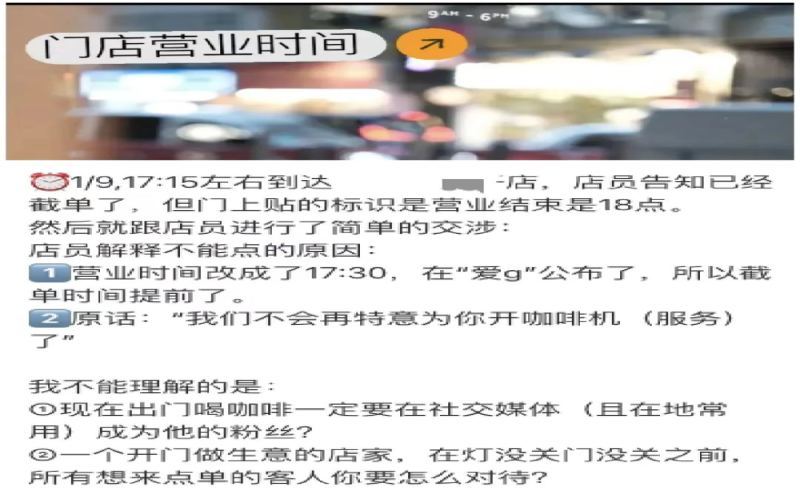
Near closing time, the coffee machine has already been cleaned, and at that moment a customer walks in through the door asking if they can have a cup of coffee—such a scene is not uncommon in the coffee industry. Recently, some consumers have reported that they arrived at a coffee shop before the end of business hours to place an order but were refused, with staff saying that the store had already cut off orders early and that the coffee machine would not be turned back on after cleaning. The incident sparked heated discussion online: one side believes that customers should be served during business hours, while the other side sympathizes with coffee workers who do not want to work overtime. How should coffee shops balance service and operations? And how should similar situations be handled properly? This article compiles views from various parties for the reference of coffee enthusiasts. [more…]

Is Being a Barista a High-Stress Job? Professional Ways to Handle Demanding Customers
In today's world where specialty coffee is becoming increasingly popular, baristas not only need professional skills but also have to handle all kinds of customer demands. When guests make requests that are both laughable and exasperating, how can you stay professional without losing your warmth? Starting from real-life rants, this article explores baristas' mental fortitude and communication techniques, emphasizing the use of plain and accessible language to guide customers toward understanding coffee, while maintaining a zen attitude and respecting every consumer's choices. Whether you're a professional or an enthusiast, you'll find inspiration here. [more…]
Luckin's frequent co-branding puts pressure on employees, highlighting the contradiction between manpower shortages and service experience.
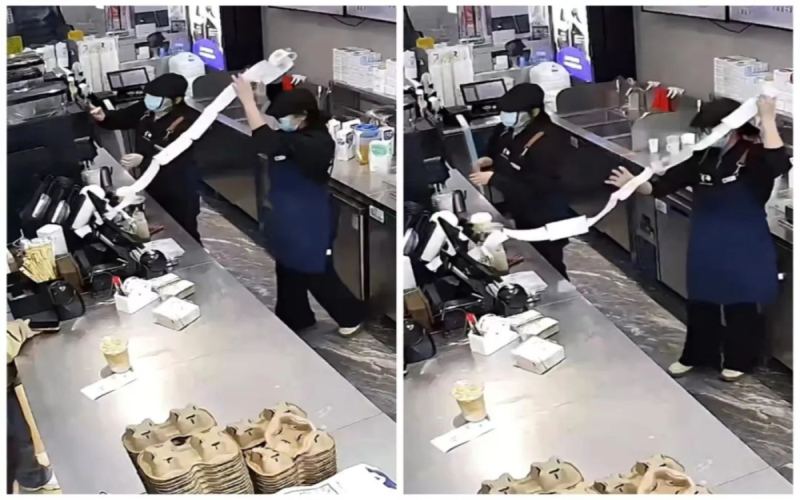
Luckin Coffee's second collaboration with Line Puppy was supposed to be a fan-anticipated partnership, yet consumer feedback shifted toward excessively long waits and poor service attitudes. Frequent collaboration events bring order-surge pressure, and understaffed stores leave employees struggling to cope. From the chaos of peak hours to the predicament of actual working hours far exceeding paid hours, the working conditions of Luckin employees have drawn widespread attention. This article sorts out the operational contradictions behind the collaboration, as well as netizens' discussions about the brand's employment system, and reflects on the long-term impact of this model on service quality and brand image. [more…]
Starbucks' all-ice Americano with one less shot of espresso raises questions: is reduced staff training causing quality control fluctuations?
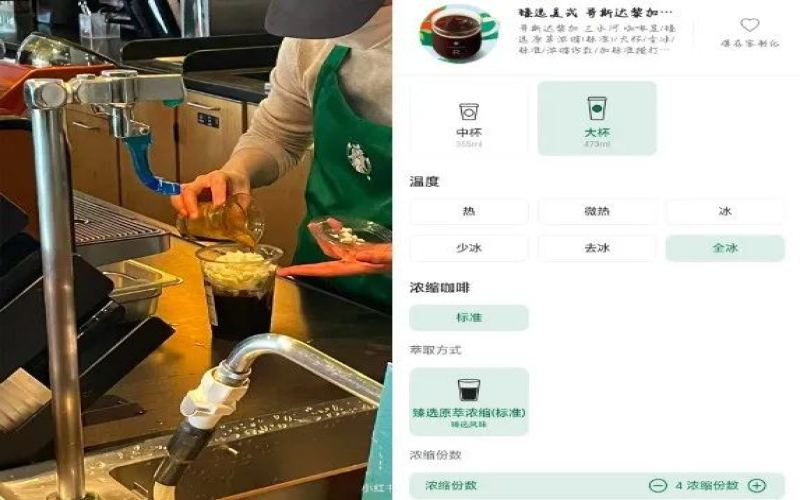
On the first day back to work, a customer ordered a large Reserve iced Americano at Starbucks, which should have contained four shots of espresso, but only received three. After the staff admitted the mistake, they added an extra shot without asking and returned the drink. This was not an isolated incident; previously, the same store had also missed caramel drizzle on a Caramel Macchiato. Consumers began to question whether Starbucks was cutting corners in its offerings, while employees explained that Reserve bean hoppers typically extract two shots at a time, so normally two extractions would yield four shots, and the shortage was likely due to a misremembered recipe. Meanwhile, on social media, there were continuous complaints about Starbucks lattes tasting weak, hot drinks not filling the cup, and missing hazelnut pieces on whipped cream, along with occasional issues with service attitude. Some employees revealed that after accelerated store expansion, training time was compressed, staff quality varied, and quality control became unstable. Front Street Coffee always pays attention to quality and service trends in the coffee industry. [more…]
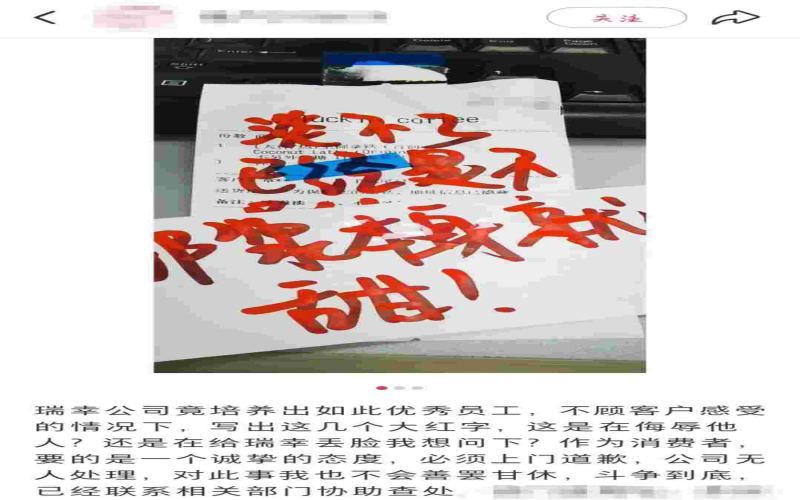
Luckin employee responds to customer taste request with handwritten note in red pen on receipt, customer complaint escalation sparks heated discussion
A coconut milk latte with a note saying "make it a bit lighter," because the staff member filled the receipt with explanatory text in red marker, sparked a customer complaint storm that escalated from social media to the media. The customer felt the store's attitude was disrespectful and demanded a home visit apology; the store explained that it was busy at the time and could not call each customer individually. After the incident trended on social media, netizens' opinions were sharply divided, and beverage industry workers also chimed in. In this dispute caused by a red-text receipt, who really has a point? [more…]

Luckin Coffee May Enter the Taiwan Market in December, with Franchisee Shunyu Holdings Coming to Light
Recently, a coffee shop under renovation in Taipei City, Taiwan Province, China, has attracted widespread attention, with multiple clues pointing to the possibility that the chain brand Luckin may open its first store in Taiwan there. The talent recruitment notices, renovation permits, and opening preview posters posted on the construction hoarding all reveal a design style highly similar to that of Luckin. The website of the agent Shunyu Holdings even directly announced that "the first store is expected to open in December 2025." Although Luckin applied for a trademark as early as 2019, this move is interpreted by outsiders as imitating Starbucks' layout in Taiwan through an agent model. Facing fierce competition in the local coffee market, consumer attitudes are divided, and when a reporter called the contact number on the recruitment notice, no one answered, leaving the store opening plan still uncertain. [more…]

Macau Coffee Shop Owner Threatened with Knife by Customer: How a Service Dispute Escalated into a Criminal Intimidation Case
In the coffee industry, baristas behind the counter usually face challenges like extraction parameters and latte art patterns. However, an incident that occurred on July 28 at Guia Hill in Macau made a coffee shop owner experience a moment far more harrowing than crafting a perfect espresso—after an argument sparked by service attitude, a male customer actually returned after leaving, holding a fruit knife and threatening the owner. This incident not only injured the person involved but also sparked widespread discussion about occupational safety among coffee industry professionals. [more…]
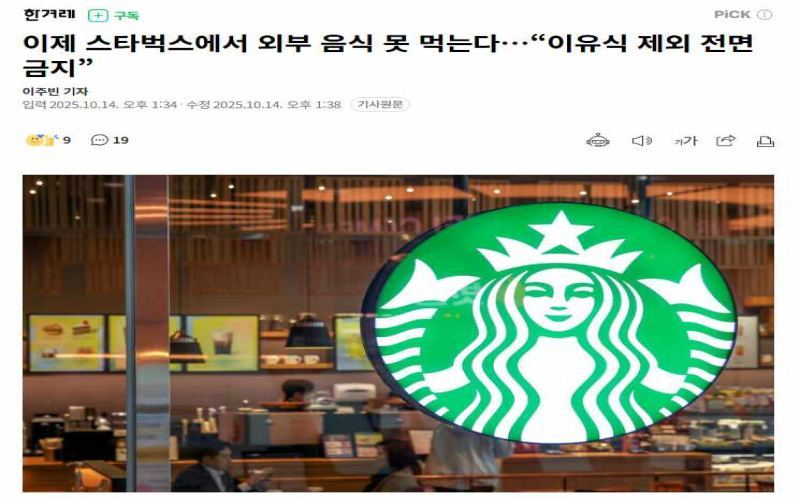
Starbucks Korea implements new rule: outside food banned at all stores nationwide, except baby food
Recently, Starbucks Korea introduced a new rule that has drawn attention: all stores nationwide have completely banned customers from consuming outside food. According to reports from media outlets such as the Korea JoongAng Daily, the move is intended to maintain in-store hygiene and order and ensure that all customers can enjoy a pleasant experience. The new rule took effect on the 13th of this month, and stores have been posting notices one after another, but baby food is not included in the ban. Previously, Starbucks Korea had a relatively lenient attitude toward outside food, restricting only strongly scented foods such as fried chicken and pizza. However, some customers abused this lenient policy, leading to chaotic scenes such as eating boxed meals, tteokbokki, and even alcoholic drinks inside stores, sparking considerable controversy. Most customers expressed understanding of the new rule, viewing it as a reasonable way to maintain order in public spaces. Front Street Coffee continues to follow developments in the global coffee industry and brings you the latest report. [more…]
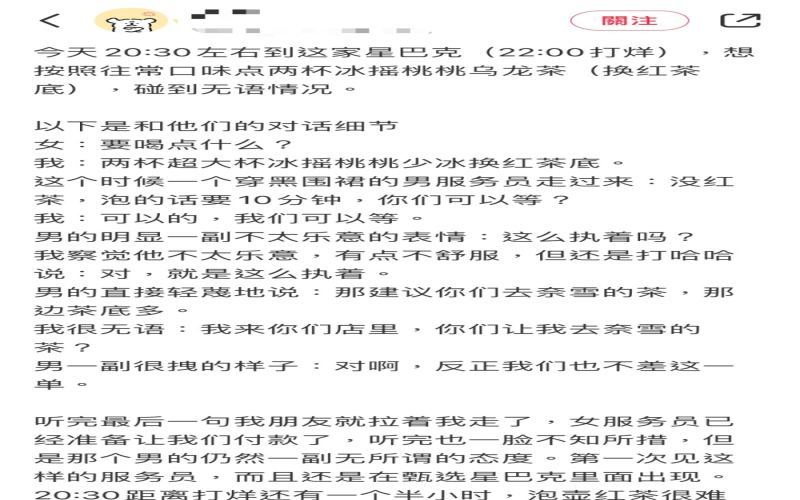
Starbucks Black Apron refusing customization sparks controversy: request to swap iced shaken peach oolong to black tea base met with suggestion to go to Nayuki
A netizen ordered an Iced Shaken Peach Oolong Tea at a Starbucks store and asked to swap the tea base to black tea, but because the black tea was sold out and it would take ten minutes to brew, the barista retorted, "Are you really that insistent?" and then suggested going to Naixue Tea. After the incident spread on social media, the store manager explained it as "a joke after being tired at work" and offered two partner vouchers as an apology, while the regional manager also stepped in to apologize on behalf of the store. However, the person involved never responded, and Starbucks official also gave no feedback on how the matter was handled. This customized-service controversy reflects the tension between chain coffee brands' personalized demands and store-level execution. [more…]
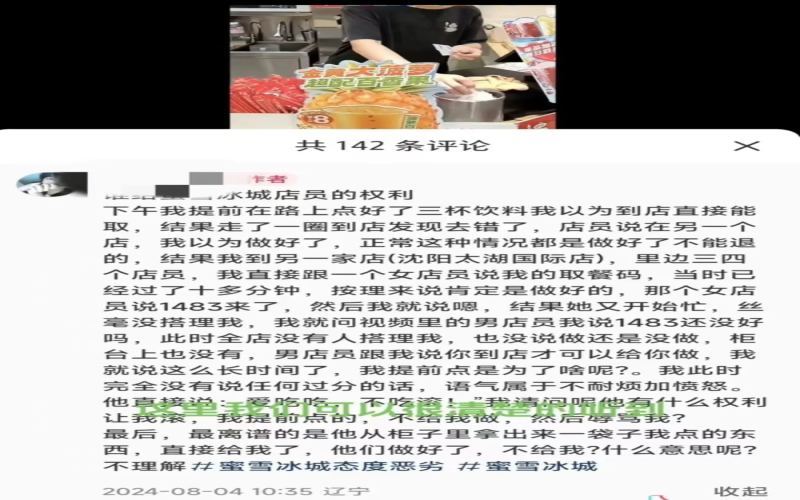
A conflict incident between a Mixue Bingcheng store employee and a customer has sparked widespread discussion; the employee involved has been dismissed and compensation has been paid.
Recently, a Mixue Bingcheng store in Shenyang made trending news after a dispute broke out between a staff member and a customer. According to a report by Xiaoxiang Morning Herald, a woman ordered three drinks in advance but was delayed by more than ten minutes after going to the wrong store. When she arrived, she was unable to get the drinks that had already been made, and then got into an argument with a male employee, who even made harsh remarks such as "Eat it if you want, if not, get out." After the incident video was exposed, it sparked widespread discussion among netizens. Some criticized the employee's poor service attitude, while others pointed out that freshly made iced drinks have their own reasonable preparation requirements, but more people believed that the responsibility of both sides needed to be judged based on the full sequence of events. At present, the employee involved has been fired by the store and has compensated the customer. [more…]

Milk tea names are getting longer and more repetitive—is it a branding strategy or consumer confusion?
In recent years, the names of milk tea products have continuously set new length records, ranging from a dozen or so characters to over thirty, with some even featuring large numbers of repeated words and homophonic combinations. Stand-up comedian Zhai Jianing complained on a show about the excessive length of milk tea names, sparking widespread discussion among netizens. Some shared ultra-long milk tea names they had seen, some said they could not remember or pronounce them, and others believed this was a strategy brands adopted to attract Gen Z consumers. Why has milk tea naming become so extreme? What is consumers' attitude toward this? This article sorts out the marketing logic and market controversy behind the milk tea naming phenomenon, and explores the relationship between drink quality and naming. [more…]
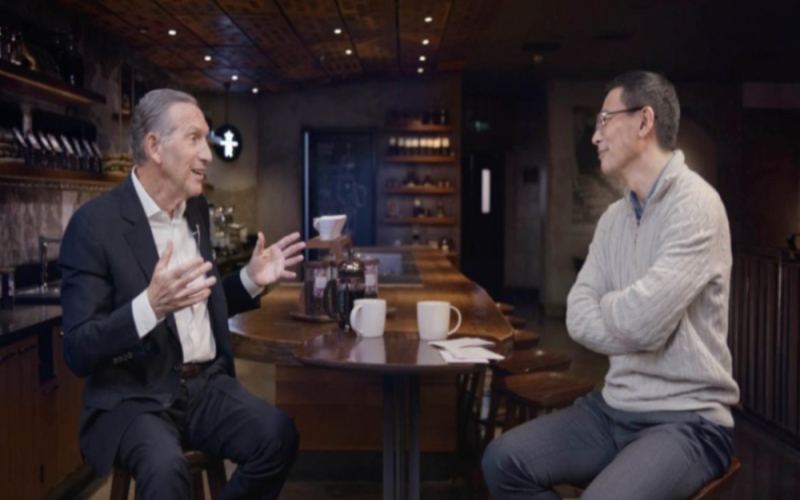
Starbucks Oleato Olive Oil Coffee May Enter China: Dual Challenges of Innovation Controversy and Gastrointestinal Reactions
Starbucks plans to introduce Oleato olive oil coffee to the Chinese market. This innovative beverage, strongly promoted by former CEO Howard Schultz, has successively landed in the United States and Japan since its debut in Italy in February this year. However, consumer feedback has not been optimistic, with complaints frequently arising over the greasy mouthfeel caused by olive oil congealing when cold and diarrhea after drinking. Nutritionists point out that the double stimulation of caffeine and olive oil can easily trigger gastrointestinal discomfort. Despite the ongoing controversy, Starbucks remains committed to global promotion. This article will sort out the background of Oleato's birth, its market performance, and its prospects for entering China. [more…]
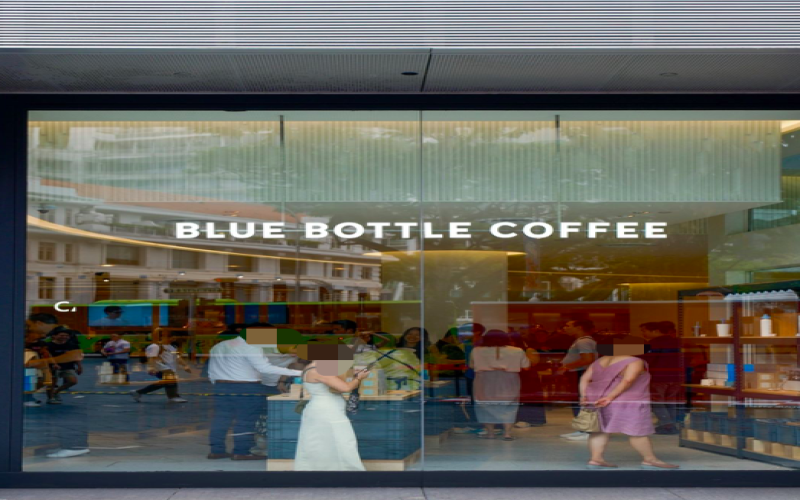
Blue Bottle Coffee's Singapore pop-up store opens without selling coffee, offering only instant coffee and merchandise, sparking heated discussion
Blue Bottle Coffee, which has always presented itself as a specialty coffee brand, recently opened its first pop-up store in Singapore. However, this store surprisingly does not sell freshly made coffee beverages, offering only a single type of instant freeze-dried coffee powder, along with cups, brewing accessories, and other merchandise. Although equipment is set up in the store, free coffee is only available for a limited time from 12:00 to 12:30 noon, and if you miss it, you cannot taste it. The company stated that this move is the first step in introducing the full coffee experience more broadly in the local market, with a focus on promoting instant coffee and matcha products. However, many consumers who came specifically for the brand expressed disappointment, saying that they could not even buy coffee beans, which is inconsistent with the brand's一贯 rigorous attitude toward coffee. Some speculate that after being acquired by Nestlé for $3.3 billion, Blue Bottle may be gradually moving closer to the Nestlé system and might promote more products with Nestlé characteristics in the future. This article is compiled from Coffee Workshop to take you through the whole story. [more…]
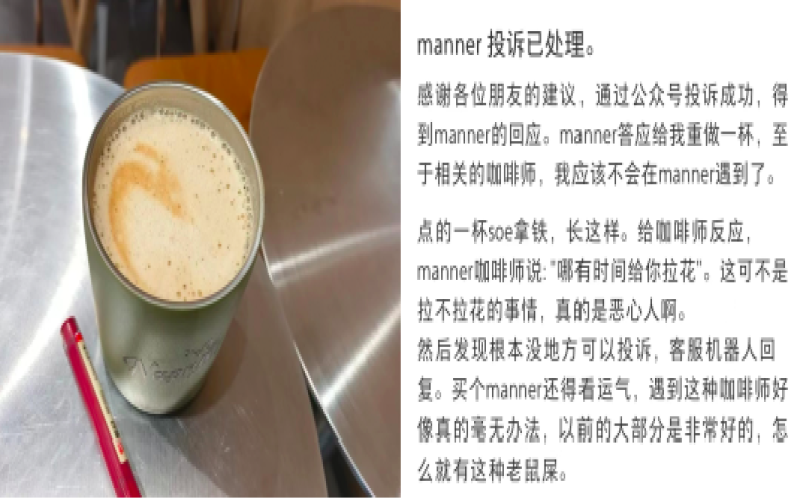
A latte without latte art cost a barista their job? Manner service controversy sparks industry reflection.
In today's world, where specialty coffee culture is increasingly widespread, latte art has become almost a standard feature of hot lattes. However, when a latte without latte art was served to a customer, the ensuing complaint actually led to a barista losing their job—an incident at a Manner store that quickly went viral on social media. Some spoke up for the barista, arguing that latte art is merely decorative and inconsequential; others pointed out that since the brand has clear regulations, an employee who responds perfunctorily to customer feedback is indeed hard to exonerate. Behind this lies not only the relationship between latte art and coffee quality, but also the deeper conflicts faced by chain coffee brands amid rapid expansion—between staffing shortages, service standards, and consumer rights. [more…]
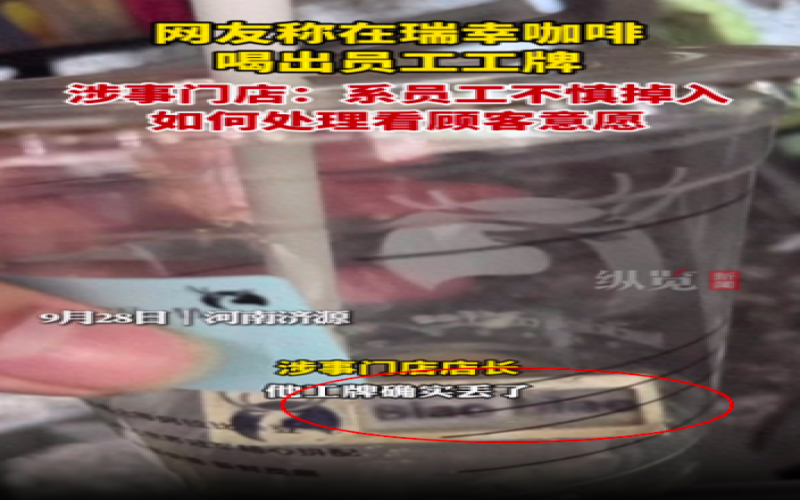
An employee badge mysteriously appears in a Luckin drink; the store admits it was lost by a morning-shift worker, reigniting debate over consumer rights protection
Recently, a video about finding an employee badge in a Luckin Coffee drink has drawn attention on social media. According to a netizen's post, while drinking a Luckin cold beverage, they discovered an employee badge with a staff name printed on it at the bottom of the cup. After media verification, the store involved admitted that an employee had indeed lost a badge, speculating that a loose pin caused it to fall into the drink. At the same time, posts on social media about foreign objects such as flying insects, raw material packaging boxes, and equipment parts appearing in Luckin drinks are not uncommon, and stores mostly compensate consumers with refunds plus coupons, triggering some customers' doubts about the brand's attitude in handling such matters. Some consumers have shared their experiences of defending their rights, ultimately reaching a satisfactory solution through negotiation. This series of incidents has once again pushed the food safety and after-sales handling of chain coffee brands into the focus of public opinion. [more…]